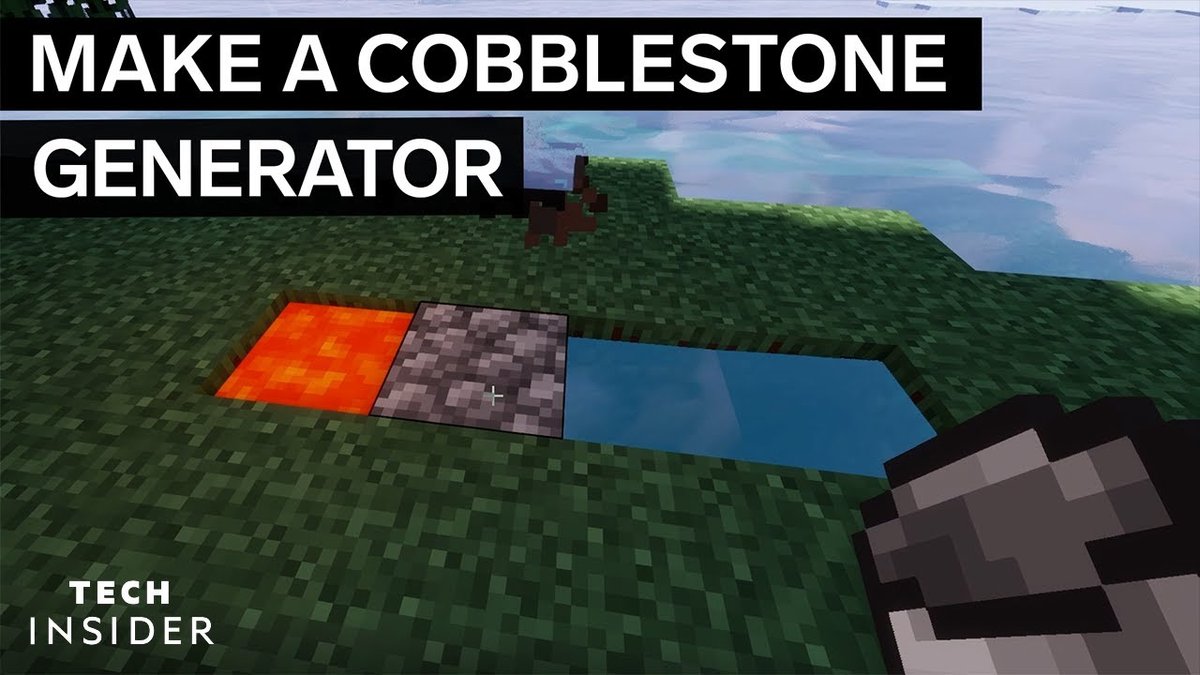
Whether you're looking to endlessly fuel your in-game creativity or literally pave your way to a stunning backyard, understanding the Essential Materials & Step-by-Step Setup for Cobblestone Generators is a game-changer. These generators, in their distinct forms, offer an infinite supply of a versatile resource, empowering you to build, craft, and customize with unprecedented freedom.
At its core, a "cobblestone generator" provides a continuous source of cobblestone, but its nature drastically shifts depending on whether you're traversing blocky landscapes or planning a real-world DIY project. In Minecraft, it's a marvel of elemental interaction, turning lava and water into a ceaseless stream of building material. In the physical world, it’s an ingenious mold system designed to churn out custom concrete pavers quickly and affordably. Ready to master both? Let's dig in.
At a Glance: Your Cobblestone Generator Cheat Sheet
- Minecraft Magic: Generates infinite cobblestone by mixing lava and water.
- Key Minecraft Materials: 1 bucket of water, 1 bucket of lava, basic building blocks, a pickaxe.
- Simple Minecraft Setup: Dig a trench, place water at one end, lava at the other.
- Minecraft Upgrades: Automate with pistons and hoppers, enchant pickaxes for higher yield.
- Real-World DIY: Creates custom concrete pavers using a mold.
- Key Real-World Materials (for the mold): Wooden boards, nails/screws, saw, measuring tape.
- Key Real-World Materials (for pavers): Plastic/metal molds, cement, water, optional dyes.
- Real-World Process: Build a sturdy wooden frame, insert paver molds, pour and cure cement.
- Customization: Add color, texture, or decorative elements to real-world pavers.
- Safety First: Always use caution with lava in Minecraft and wear PPE for real-world projects.
The Dual Worlds of Cobblestone Generation: In-Game vs. Real-Life
Before we dive into the nitty-gritty, it's crucial to understand that the term "cobblestone generator" refers to two very different, yet equally ingenious, concepts. On one hand, you have the digital dynamo within the world of Minecraft, a fundamental early-game (and even late-game) contraption for resource gathering. On the other, there's the practical, real-world tool or mold used to create actual concrete cobblestone pavers for landscaping projects.
Both offer the promise of an abundant supply—one virtual, one tangible—and both require specific materials and a methodical setup. We'll explore each in detail, ensuring you're equipped to tackle either project with confidence.
Mastering the Minecraft Cobblestone Generator: Infinite Resources at Your Fingertips
For any seasoned adventurer or aspiring architect in Minecraft, a cobblestone generator isn't just a convenience; it's a lifeline. This simple yet powerful mechanism provides an endless supply of cobblestone, a cornerstone material for everything from early-game shelters and furnaces to expansive bases and complex Redstone contraptions. No more dangerous mining expeditions just for basic building blocks!
Why Every Minecraft Player Needs a Generator
Imagine never running out of building material. That's the core promise of a cobblestone generator. It transforms two common elements—water and lava—into a continuous, sustainable resource loop. Whether you're constructing colossal castles, paving sprawling pathways, or simply need an infinite source for crafting stone tools and furnaces, this generator ensures your inventory is always stocked.
Essential Materials for Your Minecraft Cobblestone Machine
Building a basic cobblestone generator requires surprisingly few ingredients. Think of them as your elemental toolkit:
- 1 Bucket of Water: Your cooling agent. This is typically easy to acquire by crafting a bucket and scooping water from any source block (ocean, river, lake).
- 1 Bucket of Lava: Your heating element. Lava can be found deep underground in caves, sometimes near bedrock, or even in the Nether. Be cautious when collecting!
- Building Blocks (at least 5-10): These are temporary or permanent blocks to sculpt the generator's structure. Dirt, stone, planks, or even cobblestone itself work perfectly.
- A Pickaxe: Indispensable for mining the generated cobblestone. The type of pickaxe (wooden, stone, iron, diamond, netherite) will affect mining speed and durability.
With these simple items, you're ready to create a foundational piece of Minecraft engineering.
Step-by-Step Construction: Your First Infinite Cobblestone Source
The beauty of a cobblestone generator lies in its simplicity. We'll cover two popular and easy-to-build methods.
Method 1: The Basic Trench Generator
This is the simplest design, ideal for beginners or a quick, temporary setup.
- Dig the Trench: Start by digging a straight trench that is three blocks long and one block deep.
- Leave the Middle Empty: You'll have two ends and a central empty block.
- Visual:
[Block] [Empty] [Block]
- Place Water: At one end of your trench, place your water source block. It will flow into the middle.
- Place Lava: At the opposite end of the trench, place your lava source block. It will flow towards the water.
- Observe the Magic: When the water and lava flows meet in the central empty block, they will interact and instantly form a cobblestone block. You can now mine this block, and another will instantly appear!
Method 2: The U-Shape Generator (A Little More Robust)
This design is slightly more contained and a favorite for its ease of use and slightly better flow control.
- Form the Foundation: Place three building blocks in a row. Then, leave a one-block gap at the end of this row. After the gap, place one more block to form a "U" shape or a stretched "L".
- Visual:
[Block] [Block] [Block]
[Gap] [Block]
- Dig for Water: On the side of your U-shape, where the gap is, dig one block down directly next to the gap. This is where your water source will go.
- Place Water Source: Put your water bucket in this newly dug hole. The water will flow towards the gap you left.
- Dig for Lava: On the opposite side of where the water flows (next to the last block you placed in your "U"), dig one block down.
- Place Lava Source: Carefully place your lava bucket in this second hole. The lava should flow directly towards the water's flow but not touch it directly. There should be one block where they meet, turning into cobblestone.
- Pro Tip: Ensure the lava flows over one block before meeting the water. Direct contact can create obsidian.
- Mine Away: Your cobblestone generator is now ready! Stand next to the generated cobblestone and start mining.
Testing and Troubleshooting Your Minecraft Build
A well-built generator should churn out cobblestone smoothly. If it's not working, don't fret; a few common issues often arise:
- No Cobblestone Forming:
- Lava & Water Not Meeting: Ensure their flows converge correctly. The lava should flow over a block and meet the water, not directly drop into the water's source block.
- Obsidian Forming: This happens if the water flows into the lava source block. Break the obsidian, adjust the structure slightly, and try again. The water should flow into a space next to the lava's flow.
- Obstructions: Check for any stray blocks or items that might be blocking the flow paths.
- Slow Flow/No Flow:
- Water Source: If the water flow seems weak, ensure the water block you placed is a source block (not just flowing water from another source).
- Lava Placement: Verify the lava source is in the correct spot and has a clear path to flow.
Small adjustments to block placement usually resolve these issues quickly.
Beyond the Basics: Upgrading Your Minecraft Generator
Once you've mastered the basic setup, you can significantly enhance your generator's output and convenience.
Automation for Effortless Cobblestone
This is where your generator goes from a handy tool to an industrial marvel:
- Pistons & Hoppers: Use Sticky Pistons to push the newly formed cobblestone block into a collection area. Beneath this area, place Hoppers which will automatically pick up the dropped cobblestone.
- Chests: Link your Hoppers to Chests to store your vast cobblestone reserves automatically.
- Redstone Clocks: To trigger the pistons continuously, you'll need a Redstone Clock circuit. This repeatedly sends a Redstone pulse, causing the piston to push, then retract, making space for new cobblestone. Combine this with the core principle of how to build a cobblestone generator for a truly hands-free setup.
Maximizing Efficiency and Output
- Correct Placement is Key: Always remember the golden rule: water flows towards lava. This interaction reliably produces cobblestone.
- Expand Your Design: Don't stop at one! You can create multiple water and lava sources to generate several cobblestone blocks simultaneously, dramatically increasing your yield.
- Pickaxe Power-Ups:
- Efficiency Enchantments: An
Efficiencyenchantment on your pickaxe will allow you to mine cobblestone at incredible speeds. - Fortune Enchantments: A
Fortuneenchanted pickaxe offers a chance to drop multiple cobblestone blocks from a single mined block, exponentially increasing your output. - Silk Touch: If you want to move the cobblestone blocks as stone (before they turn into cobblestone), a
Silk Touchpickaxe will allow you to pick up the block itself, rather than breaking it into cobblestone.
Safety First in the Blocky World
Even in Minecraft, safety is paramount, especially when dealing with lava.
- Lava Hazards: Always be cautious when placing or handling lava. It can destroy items and inflict damage. Consider building a barrier around your lava source.
- Mob Spawns: Place torches around your generator to prevent hostile mobs from spawning in dark areas, which could interfere with your mining.
- Tools on Hand: Always carry extra tools, especially pickaxes, as mining an infinite supply will wear them down quickly.
Crafting Your Own Real-World Cobblestone Pavers: Building with Budget and Style
Moving from the virtual world to your backyard, a "cobblestone generator" takes on a wonderfully tangible meaning: it's a mold system that lets you create custom concrete pavers for a fraction of the cost of buying them pre-made. Imagine a bespoke patio, a charming garden path, or a unique driveway, all crafted with your own hands.
Why Build a Paver Generator (Mold)?
The appeal of a DIY paver generator is simple: it puts creative control and significant cost savings directly into your hands.
- Cost-Effectiveness: Ready-made pavers can be expensive, especially for large projects. Making your own dramatically cuts material costs.
- Customization: You're not limited to standard designs or colors. Add dyes, textures, or even embed decorative elements to create truly unique pavers.
- Personal Satisfaction: There's immense pride in walking across a path or patio you've crafted yourself.
- Accessibility: Concrete and mold materials are widely available at home improvement stores.
Essential Materials for Your Real-World Paver System
Building the "generator" (the wooden frame for your molds) and then making the pavers themselves requires two sets of materials.
Materials to Build the Generator (The Wooden Frame/Mold System):
This frame provides structure and precision for your paver molds.
- Wooden Boards: Sturdy lumber (e.g., 2x4s or 2x6s) for the base and framework.
- Nails or Screws: To assemble the wooden frame securely.
- Hammer or Screwdriver/Drill: For assembly.
- Saw or Circular Saw: To cut your wooden boards to precise measurements.
- Level: Crucial for ensuring your molds are perfectly flat, leading to uniform pavers.
- Measuring Tape: For accurate cuts and assembly.
Materials to Make the Pavers (Using Your Built Generator):
Once your wooden frame is ready, these are the ingredients for the pavers themselves.
- Plastic or Metal Molds: These are the individual shapes that sit within your wooden frame. They come in various patterns (interlocking, brick, random stone).
- Cement or Concrete Mix: The primary material for your pavers. A standard concrete mix (cement, sand, gravel) or a specialized paver mix works well.
- Water: To mix with the cement.
- Optional Additives:
- Cement Dye: To color your pavers (e.g., charcoal for a dark gray, terracotta for red).
- Fibers: For added strength and crack resistance.
- Release Agent: To ensure easy unmolding of the dried pavers.
Step-by-Step: Building Your Paver Mold (Generator)
This wooden framework is the foundation for mass-producing your custom pavers.
- Preparation is Key: Gather all your wooden boards, tools, and the specific plastic/metal molds you plan to use. Lay out your design on paper or in a simple drawing program to determine the dimensions of your wooden frame.
- Base Construction: Construct a solid, level wooden base using your boards, strong enough to hold the weight of your wet concrete. This base might be a simple rectangular frame that your smaller paver molds sit inside, or it could be a more intricate jig if you're building a multi-cavity permanent mold. Use nails or screws to ensure it's rigid.
- Cutting Guide Installation (If Applicable): For some advanced designs or if you're creating a permanent, multi-cavity mold from wood, you might install internal cutting guides or dividers to ensure precise and uniform paver shapes. Ensure these are perfectly aligned and secured. For most DIYers, this "generator" is a simple frame that holds individual, pre-made plastic molds.
- Finish and Adjustments: Once assembled, double-check that your wooden frame is square and level. Sand any rough edges on the wood to prevent splinters.
Step-by-Step: Making Pavers with Your Custom Mold System
With your "generator" (the wooden frame and molds) ready, it's time to pour some concrete!
- Design and Prepare Molds: If you haven't already, design your paver layout. Cut wooden boards to create the outer frame if you're using individual molds within it.
- Assemble the Wooden Frame: Using nails or screws, construct a sturdy wooden frame. This frame is typically a rectangle that is slightly larger than your chosen plastic or metal molds, allowing them to fit snugly inside.
- Place Plastic or Metal Molds: Carefully arrange your plastic or metal paver molds within the assembled wooden frame. Ensure they fit tightly and don't shift.
- Check Level and Firmness: Use your level to ensure the entire mold system (both the wooden frame and the internal molds) is perfectly level and firm. Any tilt will result in uneven pavers.
- Prepare the Cement/Concrete Mix: Follow the manufacturer's instructions for mixing your cement or concrete. This typically involves adding a specific amount of water to the dry mix until it reaches a workable, consistent consistency (like thick oatmeal). If using cement dye, add it during the mixing process.
- Pour the Material: Carefully pour the prepared concrete mix into each of the molds, filling them completely. Gently tap the sides of the molds or vibrate the table to release any trapped air bubbles, which can weaken the pavers.
- Smooth the Surface: Use a trowel or a straight board to smooth the top surface of the concrete, ensuring it's flush with the top of the molds.
- Let the Material Dry (Cure): This is a critical step. Concrete doesn't "dry," it "cures" through a chemical reaction with water. Follow the manufacturer's instructions for curing time, which can range from 24 hours to several days. Keep the pavers moist (e.g., by covering with plastic sheeting) during the initial curing phase for optimal strength.
- Carefully Unmold the Pavers: Once fully cured, gently turn the molds over and unmold your newly created pavers. Be careful not to chip edges.
Customization and Usage Tips for Your Paver Projects
Your DIY pavers offer endless possibilities for personalization.
- Choosing the Right Design: Research different paver designs and sizes online or at local landscaping stores. Consider the aesthetic of your project—do you want a rustic cobblestone look, a clean geometric pattern, or something unique?
- Beyond Basic Grey: Incorporate cement dye into your concrete mix for vibrant colors. Experiment with different ratios to achieve varied shades.
- Texture & Pattern: Some molds have built-in textures. You can also press leaves, stamps, or other textured items into the wet concrete (and remove before it sets) for unique surface patterns.
- Embed Decorative Elements: Before the concrete fully cures, you can embed small decorative stones, glass beads, or mosaic tiles for an artistic touch.
- Material Sourcing: All materials—wooden boards, nails, cement, dyes, and molds—are readily available at home improvement stores, construction suppliers, or online retailers.
- Project Time: While the initial mold construction might take a day, the beauty of this system is that you can continuously produce pavers over several days or weeks, as needed for your project, making it adaptable to your schedule.
Care and Safety for Real-World Projects
Working with wood and concrete requires attention to safety and maintenance.
- Mold Maintenance: After each batch, thoroughly clean your plastic or metal molds and the wooden frame. Remove any concrete residue. Store them in a dry, protected place away from direct sunlight or extreme temperatures to prevent warping or damage.
- Personal Safety:
- Eye Protection: Always wear safety glasses when cutting wood or working with cement.
- Gloves: Concrete is caustic; wear sturdy gloves to protect your hands from burns and irritation.
- Respiratory Protection: When mixing dry cement, wear a dust mask to avoid inhaling fine particles, especially in poorly ventilated areas.
- Ventilation: Work in a well-ventilated area, especially when mixing cement.
Common Questions About Cobblestone Generators
Whether in the virtual or real world, questions often arise when tackling a new project. Here are answers to some common ones:
Can I make a Minecraft cobblestone generator without lava?
No, the interaction of lava and water is essential for a standard cobblestone generator in Minecraft. The cooling of lava by water is what creates cobblestone. There are no other block combinations that reliably produce an infinite cobblestone supply.
What's the best pickaxe for a Minecraft generator?
For pure speed, a Netherite Pickaxe enchanted with Efficiency V is unparalleled. For maximizing raw cobblestone yield (getting more blocks per mined block), a pickaxe enchanted with Fortune III is your best bet. If you want to move the actual stone blocks (not break them into cobblestone), use a Silk Touch pickaxe.
How long do real-world pavers last?
Well-made and properly cured concrete pavers are incredibly durable and can last for decades (often 20-30 years or more) with minimal maintenance. Their longevity depends on the quality of the concrete mix, proper curing, and the type of base preparation they are laid on.
Can I use alternative materials for real-world pavers?
Yes! While cement/concrete is the most common and economical, you can experiment with other materials in your molds:
- Resin: Can create lightweight, vibrant, and translucent pavers.
- Clay: Requires firing in a kiln, but can create beautiful, natural-looking pavers.
- Rubber: Used for softer, more impact-absorbing surfaces, but typically involves industrial processes rather than simple molds.
For most DIY home projects, concrete remains the most practical and cost-effective choice.
Is it hard to lay homemade pavers?
Laying homemade pavers is similar to laying commercial pavers. The challenge often lies in proper base preparation (digging, compacting gravel, adding sand). The pavers themselves are simply placed. Ensuring they are level and that the gaps are properly filled with sand is crucial for a stable and long-lasting surface.
Your Next Steps: From Concept to Creation
You now possess the knowledge to embark on your cobblestone generation journey, whether it's powering your virtual empire or crafting the perfect real-world landscape. From the simple elegance of a Minecraft lava-and-water setup to the tangible satisfaction of pouring your own concrete pavers, the principles of planning, gathering essential materials, and following a step-by-step process remain constant.
So, gather your buckets or your wooden boards, don your virtual pickaxe or your safety glasses, and start building. The endless supply of cobblestone, in whatever form you choose, awaits your creative touch. What will you build first?