Few materials marry rugged durability with timeless elegance quite like cobblestone. From ancient Roman roads to charming European plazas and modern landscape designs, this versatile stone has been shaping our environments for millennia. But what does it take to truly harness its power, both in terms of maximizing cobblestone production & practical uses in the modern world and appreciating its enduring value? It's more than just a stone; it's a testament to engineering, aesthetics, and sustainability.
Whether you're a designer looking to integrate its character, a builder aiming for long-lasting infrastructure, or simply curious about the journey from raw rock to refined beauty, understanding cobblestone’s journey and utility is key. Let's delve deep into how we make the most of this remarkable material.
At a Glance: Key Takeaways
- Cobblestone offers unmatched durability, aesthetic appeal, safety (traction), and environmental benefits (permeability, recyclability).
- Its uses span paving, landscaping, architecture, and contemporary design, providing both structural integrity and visual charm.
- Maximizing production efficiency for cobblestone aggregates involves optimizing feed material, fine-tuning crusher settings, meticulous maintenance, proper lubrication, and data-driven performance monitoring.
- Cobblestone varieties differ by material (granite, basalt, limestone, sandstone), shape, and whether they are new or reclaimed, each offering unique characteristics.
- Low maintenance is a key benefit, primarily requiring regular cleaning and occasional re-grouting or stone replacement.
The Enduring Appeal of Cobblestone: More Than Just a Pretty Stone
Cobblestone isn't merely a quaint relic of the past; it's a material that has continuously adapted, proving its worth through centuries of use. Born from natural riverbeds, these rounded stones were first laid by early civilizations, gaining widespread popularity with the Romans who recognized their unparalleled strength for building vast road networks. Today, that heritage translates into a material prized for its ability to combine historical charm with contemporary resilience.
Its unique character comes from a blend of natural texture, varied colors, and an inherent strength that defies wear and tear. Imagine walking on a path that has witnessed generations of footsteps, a surface that tells a story through every weathered stone. This isn't just about aesthetics; it's about a fundamental reliability that modern construction often strives for, but rarely achieves with such grace.
Beyond Aesthetics: The Tangible Benefits You’ll Enjoy
Choosing cobblestone means investing in a host of practical advantages that extend far beyond its visual appeal. It’s a decision rooted in long-term value and responsible design.
Unmatched Durability for Generations
Cobblestone is practically immortal. It withstands everything from heavy vehicular traffic to extreme weather conditions, enduring freezing winters and scorching summers without complaint. Unlike many modern paving materials that crack, warp, or degrade over time, cobblestone installations can last for generations, often outliving the structures built around them. This longevity means fewer replacements, less material waste, and a lower total cost of ownership over time.
A Safer Step: Enhanced Traction and Traffic Calming
The naturally uneven surface of cobblestone provides excellent traction, significantly reducing the risk of slipping, especially in wet or icy conditions. This makes it a safer choice for walkways, driveways, and public squares. Furthermore, in urban environments, the inherent texture and slight bumpiness of cobblestone surfaces can naturally slow down traffic, contributing to safer pedestrian zones and quieter neighborhoods without relying solely on artificial speed bumps.
An Eco-Conscious Choice: Environmental Advantages
In an era focused on sustainable building, cobblestone shines. Its permeable nature is a significant environmental benefit, allowing rainwater to infiltrate the ground rather than creating runoff. This replenishes groundwater, reduces the strain on storm drainage systems, and mitigates urban heat island effects. Moreover, cobblestone requires minimal processing compared to many manufactured materials. Its longevity and recyclability minimize waste and reduce the consumption of new natural resources, making it a genuinely green building material.
Unlocking Cobblestone's Potential: Diverse Practical Applications
The beauty of cobblestone lies not just in its strength, but in its incredible versatility. It seamlessly integrates into a vast array of design contexts, from the rustic to the avant-garde.
Paving the Way: Roads, Walkways, and Driveways
This is perhaps cobblestone’s most iconic role. For centuries, it has formed the backbone of robust transportation networks. Today, it remains a premier choice for high-traffic areas, offering a durable, slip-resistant surface that looks magnificent. Think of charming driveways that welcome visitors with character, or garden pathways that invite leisurely strolls, built to endure countless footsteps and seasons. Its natural variations prevent a monolithic look, creating visually interesting and enduring surfaces that only improve with age.
Crafting Outdoor Sanctuaries: Landscaping & Garden Design
Cobblestone is a landscaper's dream, providing definition, texture, and a touch of timeless elegance to outdoor spaces.
- Garden Borders and Edging: Define flowerbeds, vegetable patches, or shrubbery with sturdy, attractive edges that prevent soil erosion and maintain a clean line.
- Decorative Accents: Create focal points, integrate into water features, or use as stepping stones to add visual interest.
- Retaining Walls: Its robust nature makes it an excellent choice for low-level retaining walls, adding a rustic yet refined look while performing a crucial structural function.
- Outdoor Living Spaces: Build stunning fire pits, outdoor kitchens, or integrated seating areas that blend seamlessly with the natural environment, offering both functionality and enduring beauty.
Building with History: Architectural & Urban Integration
From grand public squares to the charming facades of historic buildings, cobblestone has left an indelible mark on urban design.
- Building Facades & Accent Walls: Incorporate cobblestone into exterior walls or as an interior accent to add texture, depth, and a connection to history.
- Public Squares & Pedestrian Zones: Create inviting, durable public spaces that encourage gathering and slow the pace of city life, much like the European plazas they often emulate.
- Fireplace Surrounds: Inside the home, cobblestone can give a fireplace a grand, rustic, or even contemporary feel, becoming a striking focal point.
Modern Twists: Contemporary Interior & Exterior Design
While rooted in history, cobblestone is far from outdated. Modern designers are continually finding innovative ways to integrate its natural beauty into contemporary settings.
- Sleek Pathways & Patios: Used in conjunction with minimalist designs, cobblestone can provide a warm, organic counterpoint to modern lines.
- Feature Walls & Flooring: Imagine a statement wall in a modern loft or a unique flooring choice in a boutique restaurant, bringing unexpected texture and character indoors.
- Integrated Furniture & Lighting: Creative designers are even using smaller cobblestones as elements within custom furniture pieces or lighting fixtures, blurring the lines between raw material and refined art.
From Raw Stone to Refined Aggregate: Maximizing Cobblestone Production
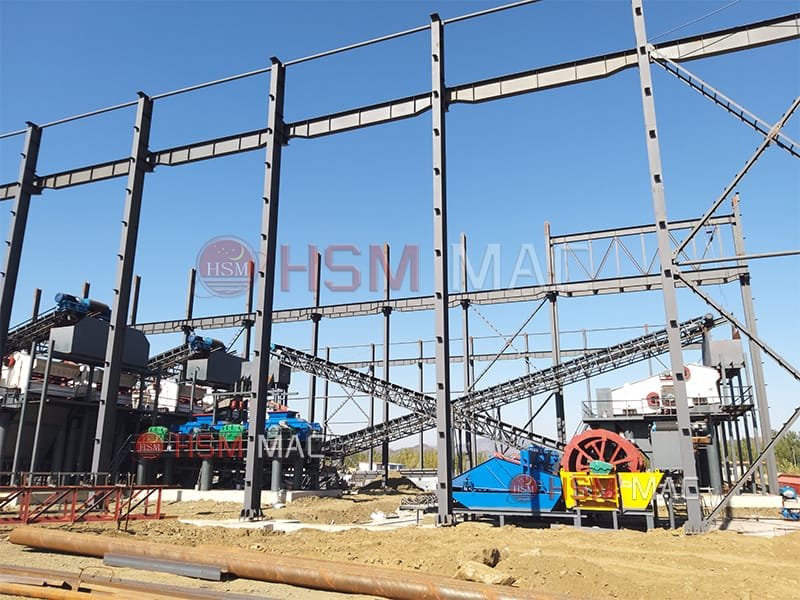
Producing high-quality cobblestone, especially for use as aggregates in construction, relies heavily on efficient crushing operations. Maximizing the output of a cobblestone crusher machine isn't just about speed; it's about consistency, quality, and operational intelligence.
Understanding the Cobblestone Crusher Machine
At its heart, a cobblestone crusher is a machine designed to reduce large stones into smaller, more manageable pieces or specific aggregate sizes. These machines vary from jaw crushers to cone crushers, each suited for different stages of reduction and material types. The goal is to efficiently break down the raw cobblestone feedstock into marketable products, minimizing waste and maximizing throughput.
The Art of Optimal Feed Material
Efficiency begins before the stone even enters the machine. Ensure your input cobblestones are:
- Clean: Free from dirt, clay, or other contaminants that can clog the crusher or degrade the final product.
- Uniformly Sized: While crushers handle varying sizes, excessively oversized stones can cause blockages and wear, while too many undersized stones can reduce crushing efficiency by not engaging the crushing surfaces effectively. Sorting and pre-screening can significantly boost output.
Dialing In Your Crusher Settings for Precision
Every crusher has adjustable settings, and mastering them is crucial for maximizing output without compromising product quality.
- Gap Adjustment: The gap between the crushing surfaces directly controls the product size. Fine-tune this to meet your desired aggregate specifications.
- Rotation Speed: For certain crusher types, adjusting the rotational speed can influence both the crushing action and the shape of the aggregate produced. Experimentation and careful monitoring are key to finding the "sweet spot" that balances output volume with the required material specifications.
The Unsung Hero: Proper Lubrication
Just like any heavy machinery, adequate lubrication is vital. Regularly inspecting and lubricating all moving parts – bearings, shafts, gears – reduces friction, prevents overheating, and significantly extends the lifespan of components. Adhering strictly to manufacturer-recommended products and lubrication schedules can prevent costly breakdowns and ensure continuous, efficient operation. Neglecting this simple step is a common pitfall that dramatically impacts production output.
Staying Ahead: Regular Maintenance Schedules
Proactive maintenance trumps reactive repairs every time. Establish a comprehensive maintenance schedule that includes:
- Routine Inspections: Daily checks for loose bolts, excessive wear, or unusual noises.
- Cleaning: Keeping the crusher free from accumulated material prevents blockages and allows for proper inspection.
- Component Replacement: Regularly replace worn components (like crusher jaws or liners) before they fail catastrophically. Addressing minor issues promptly prevents them from escalating into major disruptions that halt production entirely.
Data-Driven Decisions: Monitoring Performance
To truly maximize output, you need to understand what's happening.
- Track Key Indicators: Monitor production rates (tons per hour), throughput (material processed), and particle size distribution of your output.
- Analyze Data: Use this information to make informed decisions. Is production dipping? Perhaps a setting needs adjustment, or maintenance is overdue. Are you consistently producing too much fine material? Adjust the gap. This data-driven approach allows for continuous optimization.
- While we’re talking about real-world production, the very concept of generating resources, even if virtually, captures the imagination. Learn how to make a cobblestone generator in games like Minecraft, which, in its own way, highlights the human desire to produce and utilize essential materials.
Safety First, Always
No amount of production is worth compromising safety. Always implement and strictly adhere to all safety protocols during the operation, maintenance, and inspection of cobblestone crushing equipment. This includes proper guarding, lockout/tagout procedures, personal protective equipment (PPE), and clear communication among staff. A safe operation is an efficient and productive operation.
Choosing Your Cobblestone: A Guide to Types and Varieties
Not all cobblestones are created equal. Understanding the different types available will help you select the perfect material for your project, aligning aesthetic goals with practical requirements.
Material Matters: Granite, Basalt, Limestone, and Sandstone
The type of stone used dictates much of its character and performance.
- Granite Cobblestones: These are among the most durable, known for their incredible hardness and resistance to wear. Granite comes in a range of colors, including various grays, pinks, and blacks, offering a classic, sturdy appearance. They are ideal for high-traffic areas and harsh climates.
- Basalt Cobblestones: Basalt is another extremely sturdy and weather-resistant option, typically presenting in darker, richer tones of black and dark gray. It offers a sophisticated, modern look while matching granite’s strength.
- Limestone/Sandstone Cobblestones: These materials offer warmer, earthier tones – think creams, buffs, browns, and reds. They provide a softer, more rustic aesthetic and are often chosen for pathways, patios, and landscaping accents where a more natural, weathered feel is desired. While still durable, they might be slightly less resistant to acidic substances or heavy abrasion than granite or basalt.
Shape and Form: From Rectangular to Irregular
The shape of the cobblestone dramatically influences the final look and how it’s laid.
- Rectangular/Square: These offer a more uniform, often formal pattern, making them easier to install in precise layouts. They are common for driveways and structured pathways.
- Round/Irregular: Often found in more natural, historic settings, these stones create a charming, organic, and less formal appearance. They require more skill to lay but result in a unique, handcrafted feel.
The Charm of Reclaimed Cobblestones
Reclaimed cobblestones are perhaps the most coveted variety. These are stones salvaged from historic sites, old roads, and dismantled structures. They carry a unique, weathered appearance, a rich patina, and a history that new stones simply can't replicate. While often more expensive due to their rarity and the labor involved in reclaiming them, they offer unparalleled character, instant aged beauty, and a sustainable reuse of materials. Each reclaimed stone tells a story, adding an irreplaceable layer of authenticity to any project.
Keeping Your Cobblestone Pristine: Essential Maintenance Tips
One of the greatest benefits of cobblestone is its low maintenance. However, a little care goes a long way in preserving its beauty and extending its already impressive lifespan.
Routine Care for Longevity
- Regular Sweeping: Prevent the buildup of dirt, leaves, and debris, which can eventually lead to organic growth or discoloration.
- Occasional Washing: A simple hose-down with water, perhaps with a mild detergent for stubborn grime, is usually all that’s needed. For heavily soiled areas, a power washer can be used with caution, ensuring not to dislodge jointing material.
- Weed Control: Address any weeds or moss that sprout between the stones promptly. A stiff brush, specialized weed removers, or even a diluted vinegar solution can be effective.
Addressing Wear and Tear
- Re-grouting: Over time, the sand or mortar in the joints between stones can erode or wash away. Re-grouting is essential to maintain the integrity of the surface, prevent stones from shifting, and inhibit weed growth. This involves sweeping new sand (often polymeric sand for better stability) or mortar into the joints.
- Replacement of Damaged Stones: While rare, individual stones can occasionally become damaged or dislodged. Promptly replacing these damaged pieces not only preserves the aesthetic appeal but also prevents further deterioration of the surrounding area.
By following these simple maintenance steps, your cobblestone installation will continue to provide beauty, durability, and character for many years to come, a true testament to its timeless resilience.
Your Cobblestone Questions Answered
We get a lot of questions about this fascinating material. Here are some of the most common ones, answered clearly and concisely.
Is cobblestone an expensive material?
Initially, cobblestone can have a higher upfront cost compared to some mass-produced paving materials. However, its exceptional durability and minimal maintenance requirements often lead to a significantly lower total cost of ownership over its extremely long lifespan. When you factor in generations of use, it becomes a very cost-effective and valuable investment. Reclaimed cobblestone, due to its unique character and the labor involved in its recovery, generally fetches a premium.
How long can a cobblestone surface be expected to last?
Properly installed and maintained cobblestone surfaces can last for centuries. Many cobblestone roads and plazas in Europe have been in continuous use for hundreds of years. Its resilience to heavy traffic and harsh weather ensures a lifespan that far exceeds most modern paving options.
Can I install cobblestone myself, or do I need a professional?
While it is possible for experienced DIY enthusiasts to install cobblestone, it is a labor-intensive and skilled process. Achieving a durable, aesthetically pleasing, and level surface requires significant expertise in site preparation, laying techniques, and jointing. For optimal results, especially for larger projects or those involving drainage considerations, hiring a qualified professional with experience in cobblestone installation is highly recommended.
What��s the environmental impact of using cobblestone?
Cobblestone is an environmentally friendly choice. Its natural permeability helps manage stormwater and replenish groundwater. It requires minimal processing compared to manufactured materials. Furthermore, its extreme longevity reduces the need for frequent replacement, minimizing material consumption and waste. Reclaimed cobblestone further enhances its environmental credentials by reusing existing materials and preventing them from ending up in landfills.
Embracing the Cobblestone Legacy: Your Next Steps
Whether you're enchanted by the historical charm of cobblestone, impressed by its unyielding strength, or drawn to its environmental advantages, incorporating this material into your next project is a decision that truly stands the test of time. From maximizing the efficiency of its production to appreciating its diverse applications, understanding cobblestone unlocks a world of possibilities for durable, beautiful, and sustainable design.
Start by assessing your project's needs, researching the various types of cobblestone available, and consulting with experienced professionals who can guide you through the selection and installation process. Embrace the legacy, and build something that will endure for generations to come.